Our History

ICEF’s work in international education developed over several decades, shaped by changes in how education operates across borders and how institutions, learners, and intermediaries engage internationally.

Early foundations

In the early 1960s, Karl Badde, a linguist and educator, established a group of language schools in the Middle East focused on practical language training and international communication. These early activities were rooted in real-world application, professional use, and cross-cultural exchange.

During the 1970s, this work expanded into Europe, including operations in Bonn and London, serving diplomats, professionals, and executives. Over time, the organisation also began supporting learners and education providers in navigating international study options, acting as an early intermediary between students, schools, and institutions.



Publishing and professional forums

In 1984, Karl Badde expanded into education-related publishing together with his children, Markus Badde and Rebecca Stromeyer. This included the Where & How series of guides covering language travel, distance education, and the translation industry, providing structured reference information for learners, advisers, and education professionals.

As international student mobility increased in the late 1980s, the focus shifted towards organising professional exhibitions and education fairs. This included the development of the Expolingua series of language fairs held across Europe and parts of Asia, several of which continue to operate today.

Establishment of ICEF

In 1991, ICEF was established to further develop these activities and to professionalise international education events. Initially focused on student-facing formats, ICEF’s work evolved during the early 1990s toward structured professional forums for the international education sector.

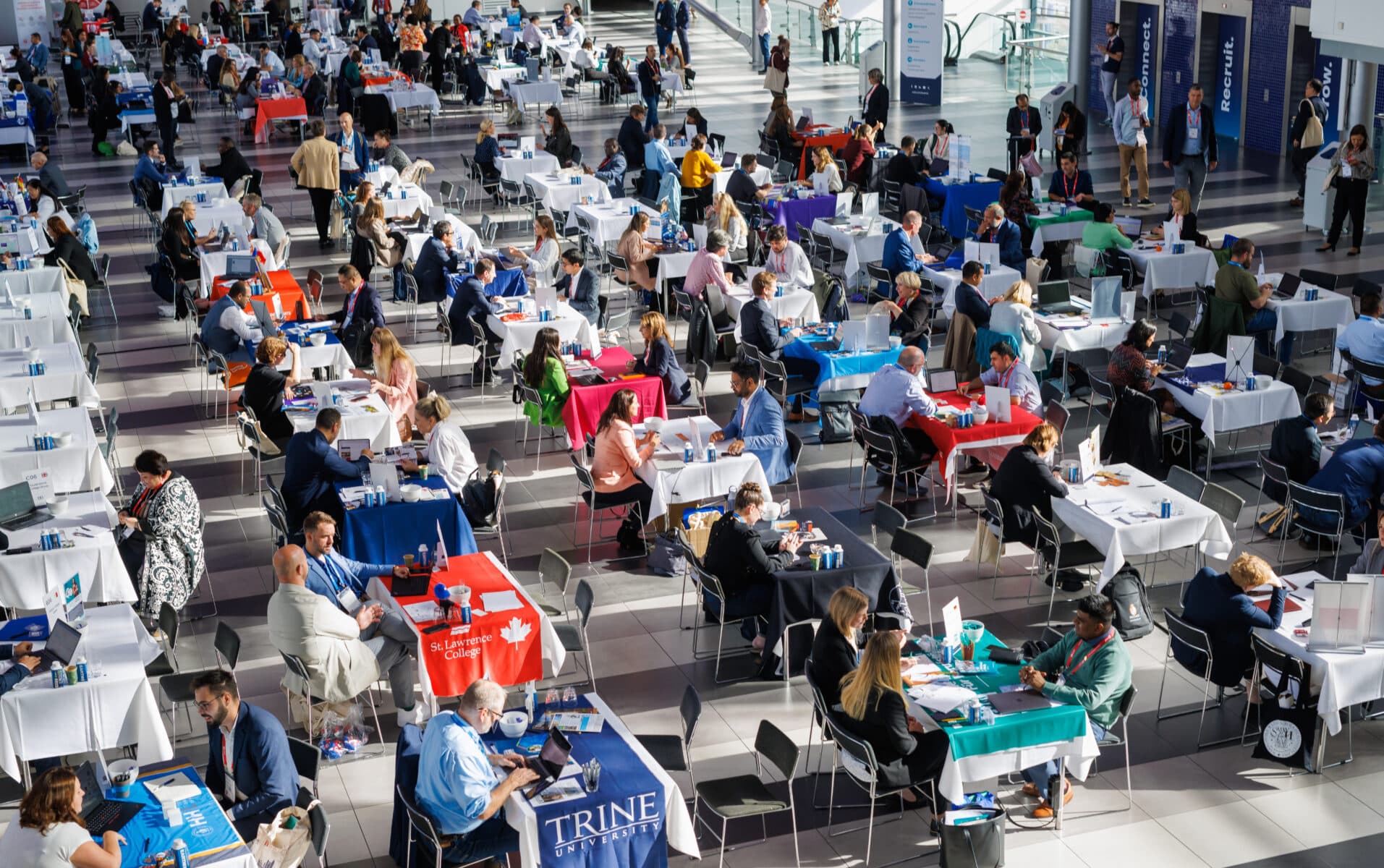
In 1995, the first ICEF Berlin event was held, creating a dedicated platform where institutions, student recruitment agencies, and related stakeholders could meet, exchange information, and build long-term partnerships. This marked a shift toward controlled, professional engagement within international education.


Expansion and evolution

In 2004, Markus Badde assumed leadership of ICEF. During this period, ICEF expanded the number and geographic reach of its events and introduced additional activities, including market intelligence and professional development initiatives, reflecting the growing complexity of international education.

From the 2010s to today, ICEF’s work has continued to evolve alongside the sector. In addition to events, its activities now include structured market intelligence, professional learning and training through ICEF Academy, and independently governed reference frameworks that support transparency, professional standards, and responsible engagement across international education.


Looking ahead

International education continues to change in response to policy shifts, demographic trends, technology, and student expectations. ICEF’s role is to continue supporting the sector by convening responsibly, observing independently, providing reference frameworks where appropriate, and supporting professional capability as the operating environment evolves.